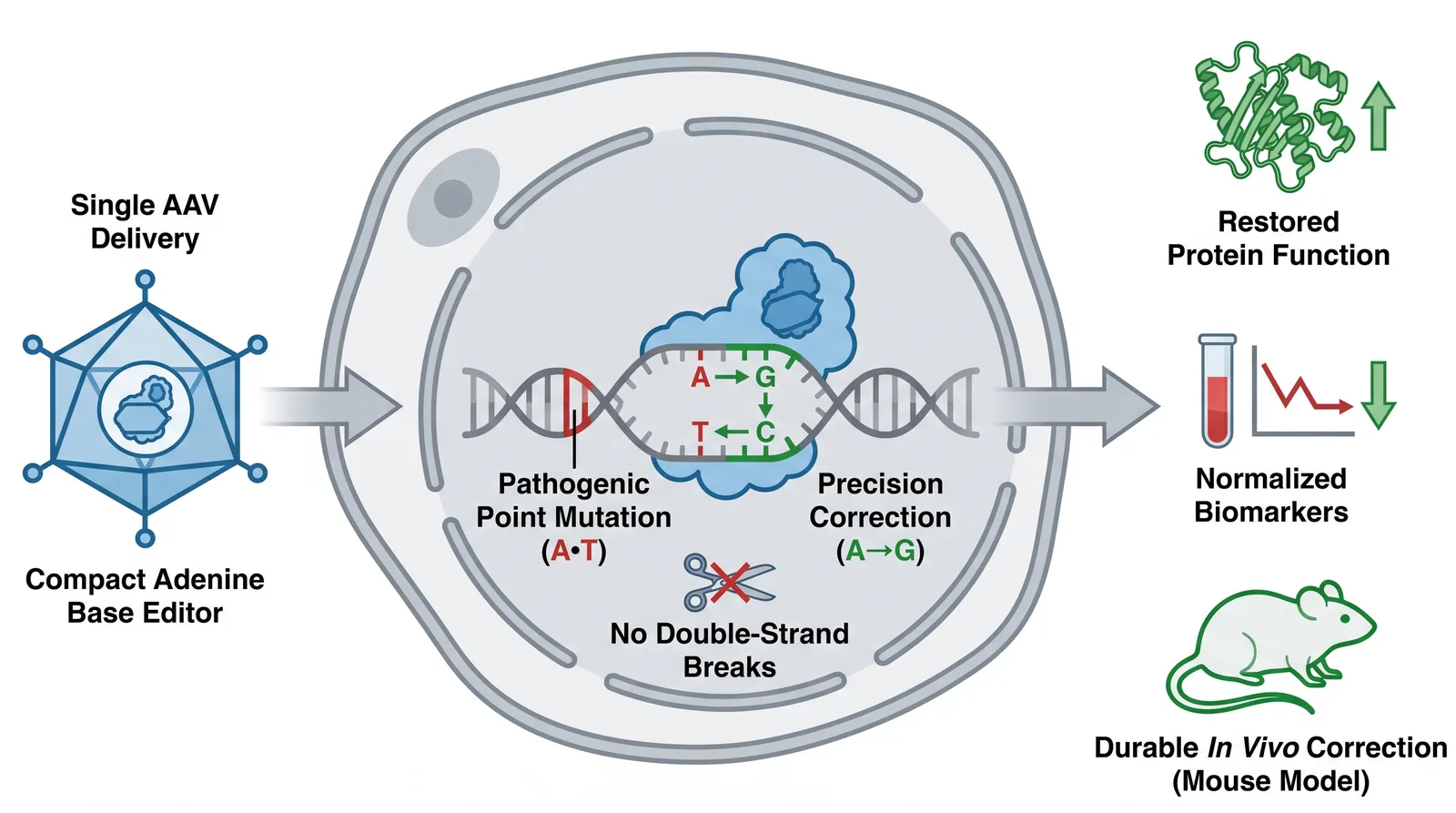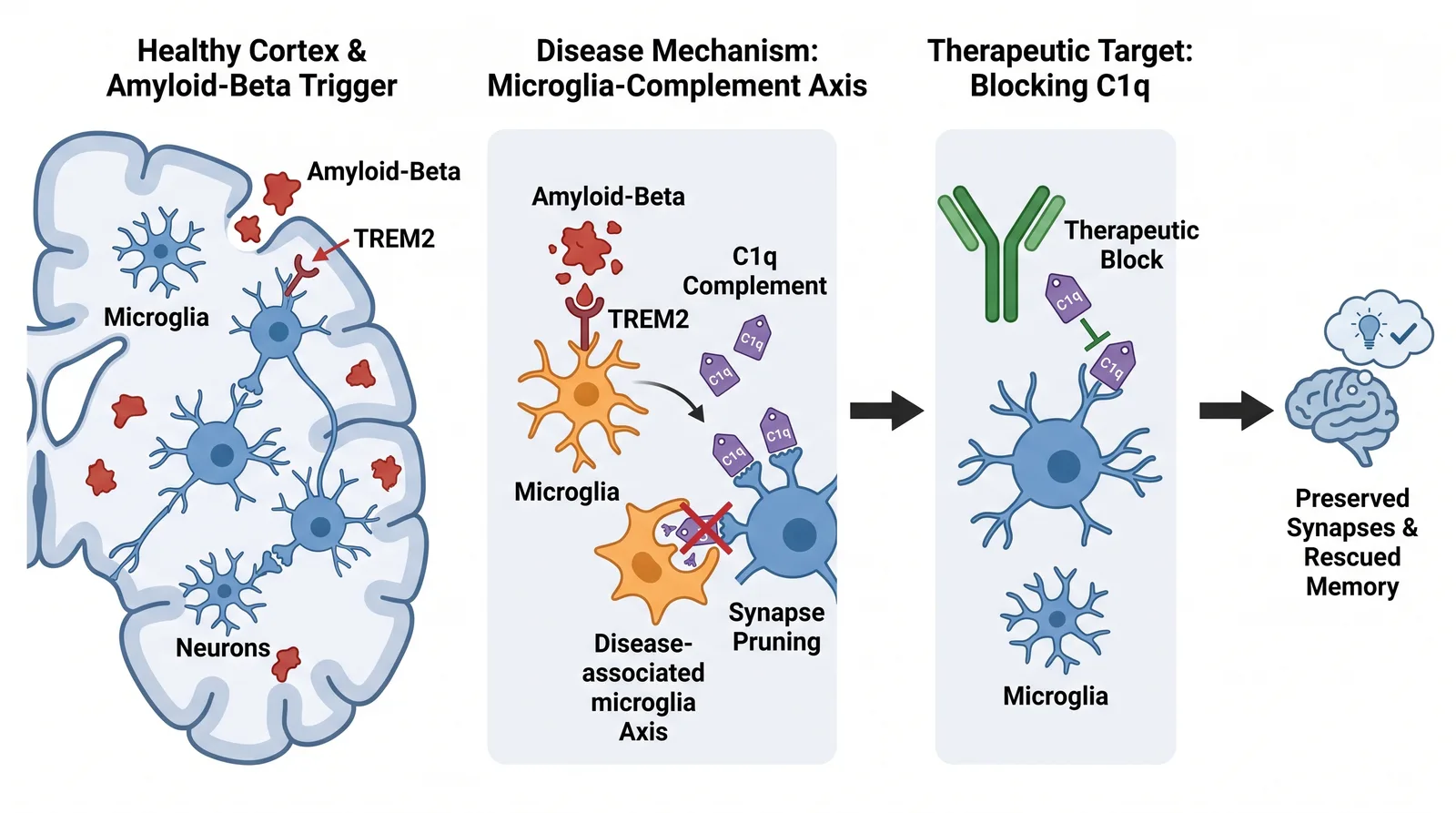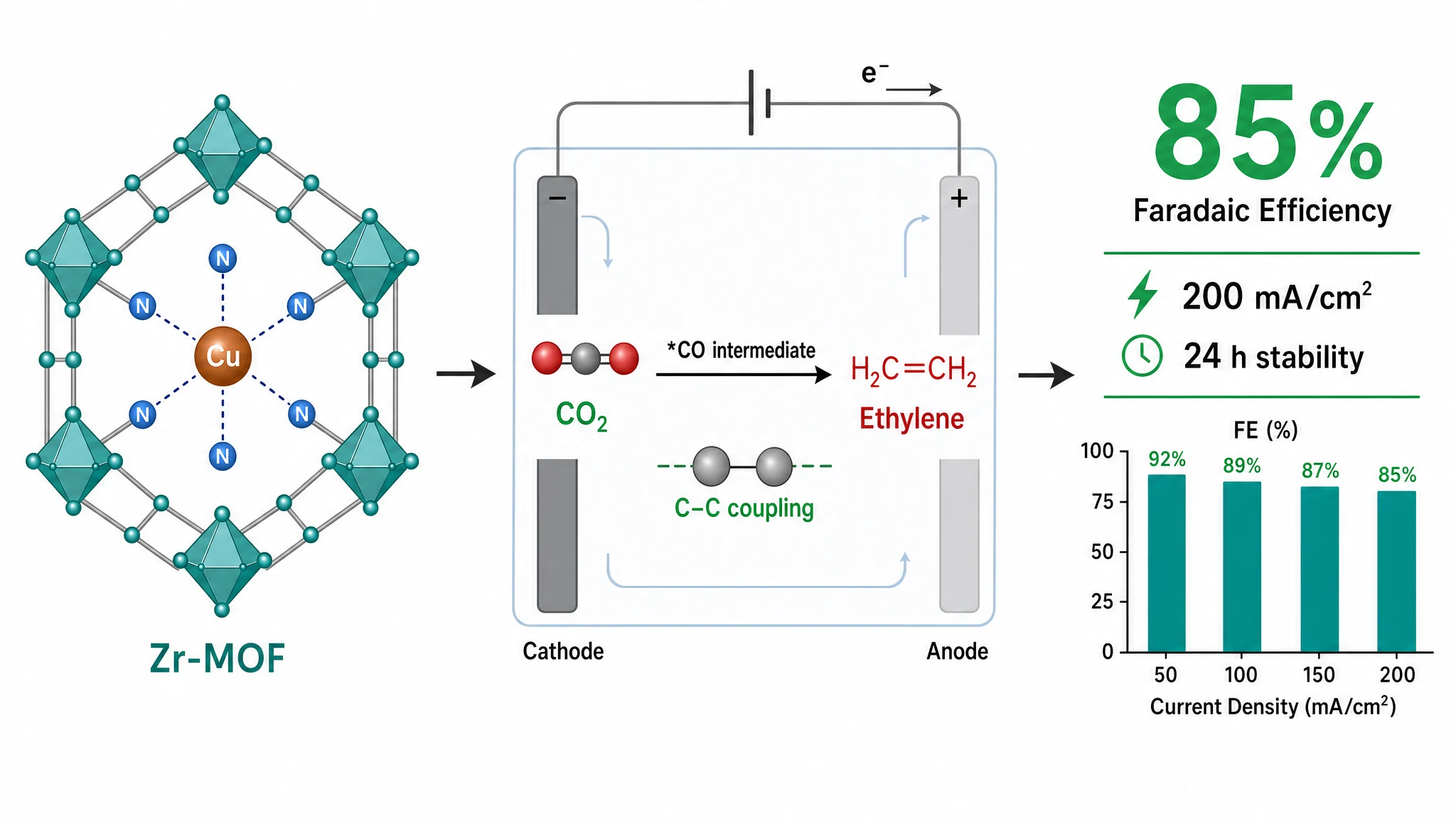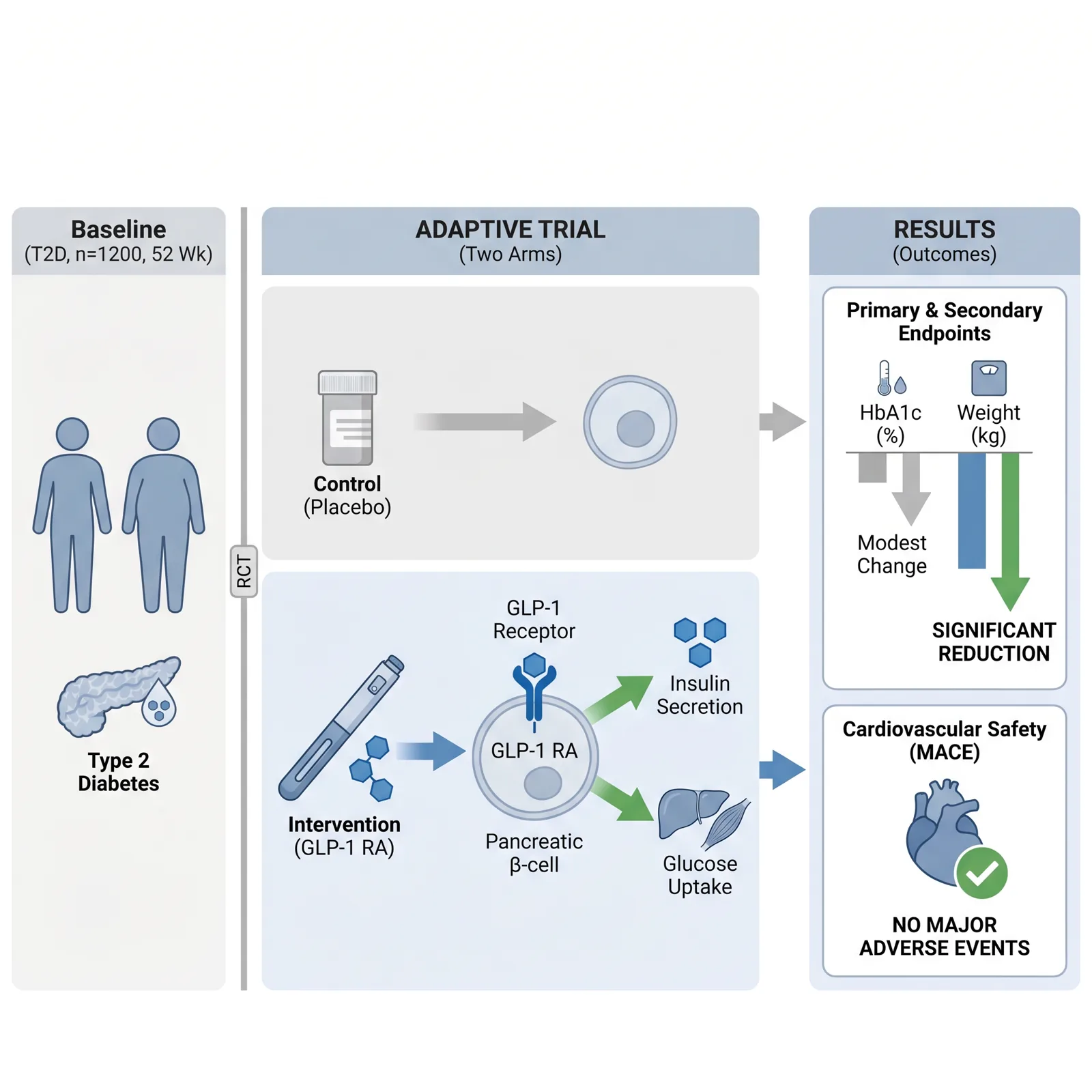
A visual abstract and a graphical abstract are the same thing: a single image that summarizes a paper's core finding. The name changes by field — "graphical abstract" comes from chemistry and the physical sciences, while "visual abstract" is the term used in medicine and clinical research. The main practical difference is structure: medical visual abstracts often use a three-panel layout (population → intervention → outcome), while graphical abstracts in chemistry or biology tend to show a single process or mechanism.
If you have searched "visual abstract vs graphical abstract" expecting two different deliverables, here is the relief: they refer to the same concept. Both are a graphical equivalent of your written abstract — one self-contained image that lets a reader grasp what your study found in a few seconds.
The difference is vocabulary, not substance:
So if your target journal's author guidelines say "visual abstract" and a colleague calls it a "graphical abstract," you are both talking about the same submission item.
Although the concept is identical, conventions in each field shaped how the image is laid out.
Medical visual abstracts are usually built as a clear three-part story: the study population, the intervention or comparison, and the key outcome. This mirrors how clinical trials are reported and makes the result scannable for busy clinicians.
Graphical abstracts in chemistry often condense to a single reaction scheme or mechanism — a starting material, an arrow, and a product. In biology, they more often show a pathway or experimental workflow from left to right.
None of this is a hard rule. The structure should follow your paper's narrative, not a field stereotype. A flow layout works for sequential processes; a central-figure layout works when one finding sits at the core. See our template layout guide for choosing between them.
Always defer to your target journal's author guidelines — the label they use tells you the expected term and format. A few patterns:
You can compare exact size, DPI, and format requirements across major publishers on our journal specifications pages.
"Visual abstract" and "graphical abstract" are two names for the same one-image summary — choose the term your journal uses and structure the image around your study's story. When you are ready to build one, Graphab gives you journal-aware canvas presets and layout templates so the format is correct from the start.
Paste your paper abstract and Graphab drafts a publication-ready figure, sized for your target journal.