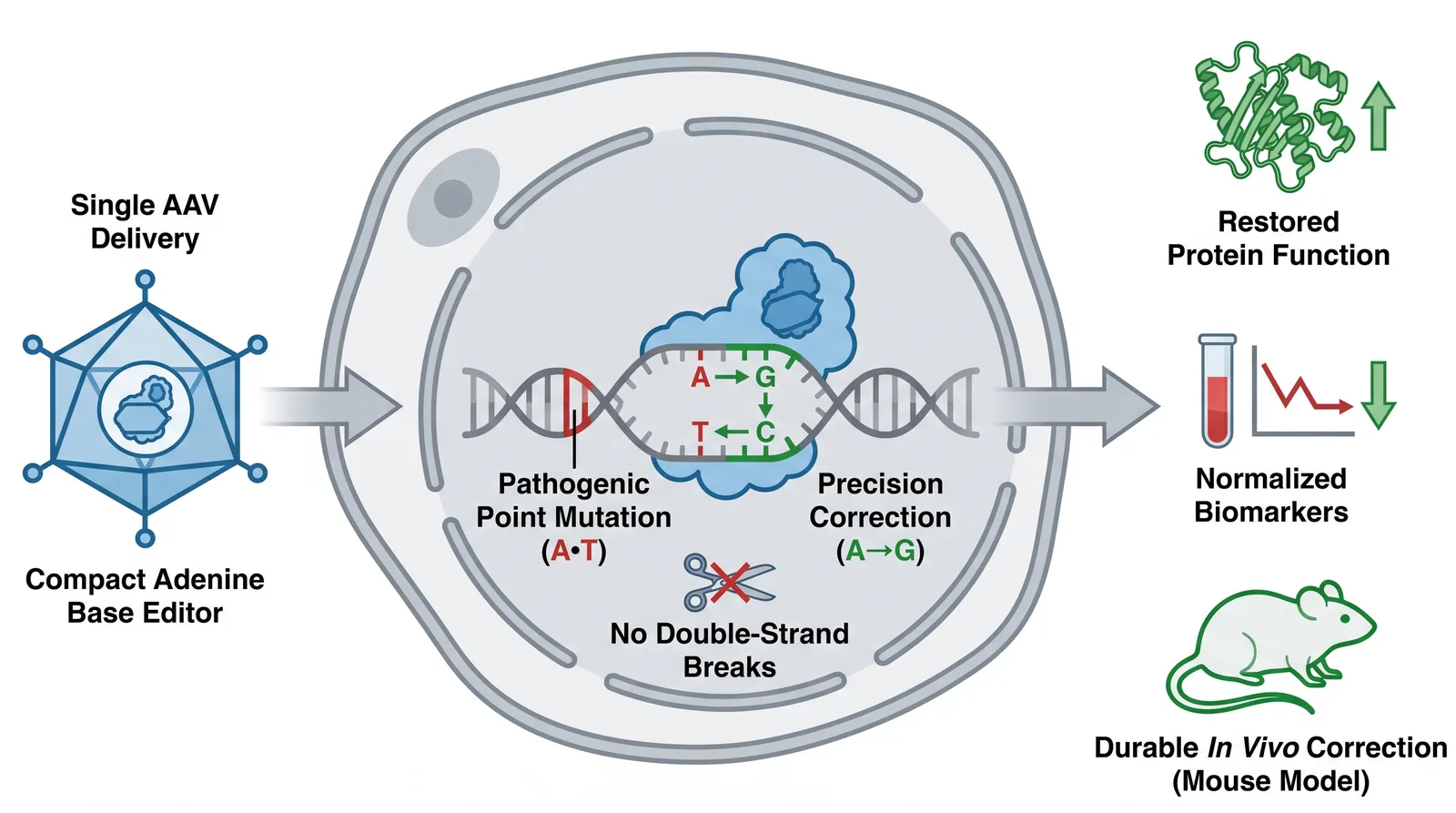
PLOS ONE does not require a graphical abstract and does not specify fixed dimensions for one. If you choose to include a visual summary, follow PLOS ONE's general figure rules: 300 DPI minimum, RGB, saved as TIFF, EPS, or high-quality PNG, under 10 MB, with text legible at final size (aim for at least 8 pt). Always confirm the current spec in the PLOS ONE submission guidelines.
| Requirement | PLOS ONE value |
|---|---|
| Required? | No — optional visual summary |
| Fixed size | Not specified — follow figure guidelines |
| Resolution | 300 DPI minimum |
| Color space | RGB |
| File formats | TIFF, EPS, or high-quality PNG |
| File size | Under 10 MB |
PLOS ONE publishes detailed figure requirements rather than a dedicated graphical abstract spec, so treat these as the working rules for any summary image and check the live guidelines for updates.
Because there's no mandated format, the goal is a clean, self-explanatory figure that follows PLOS ONE's figure standards:
If you'd rather not build it manually, you can generate the figure from your paper. With Graphab the flow is:
You can see how the PLOS ONE graphical abstract requirements map to a real export on the journal page. Graphab exports at submission resolution as TIFF or PNG — both accepted by PLOS ONE.
PLOS ONE treats a graphical abstract as an optional visual summary with no fixed size — just meet the standard figure rules (300 DPI, RGB, TIFF/EPS/PNG, under 10 MB) and confirm the live PLOS ONE submission guidelines. If you want one anyway, Graphab turns your abstract or sketch into a compliant figure in a few minutes.
Paste your paper abstract and Graphab drafts a publication-ready figure, sized for your target journal.