Most researchers start a graphical abstract with pen and paper. You sketch a rough layout — the main figure goes here, the pathway flows left to right, this panel shows the phenotype, that one the mechanism. It takes five minutes and captures the thinking. Then comes the hard part: translating it into a digital graphic.
Graphab turns that sketch directly into a structured layout you can edit.
Draw your layout on paper. It does not need to be neat. Boxes for panels, arrows for flow, labels scribbled in the margins — that is enough. Take a photo with your phone.
After selecting your target journal — Nature (180×120 mm), Cell (170×110 mm), or Elsevier (150×100 mm), all at 300 DPI — choose the Upload Sketch option. Select the photo from your device.
Graphab's AI reads the spatial structure of your drawing. It identifies where you placed panels, which direction the flow goes, and how elements relate. Within seconds, it generates a structured layout matching your sketch — image zones where you drew boxes, text zones where you wrote labels.
This is not optical character recognition. The AI interprets the layout semantically: it understands that two adjacent boxes with an arrow between them represent a sequential relationship, and it creates zones arranged accordingly.
The generated layout is editable. Drag to resize zones. Add or remove zones if the AI interpretation needs adjustment. Once the structure looks right, fill each zone:
The sketch gave you the structure. Now the AI populates the content zone by zone.
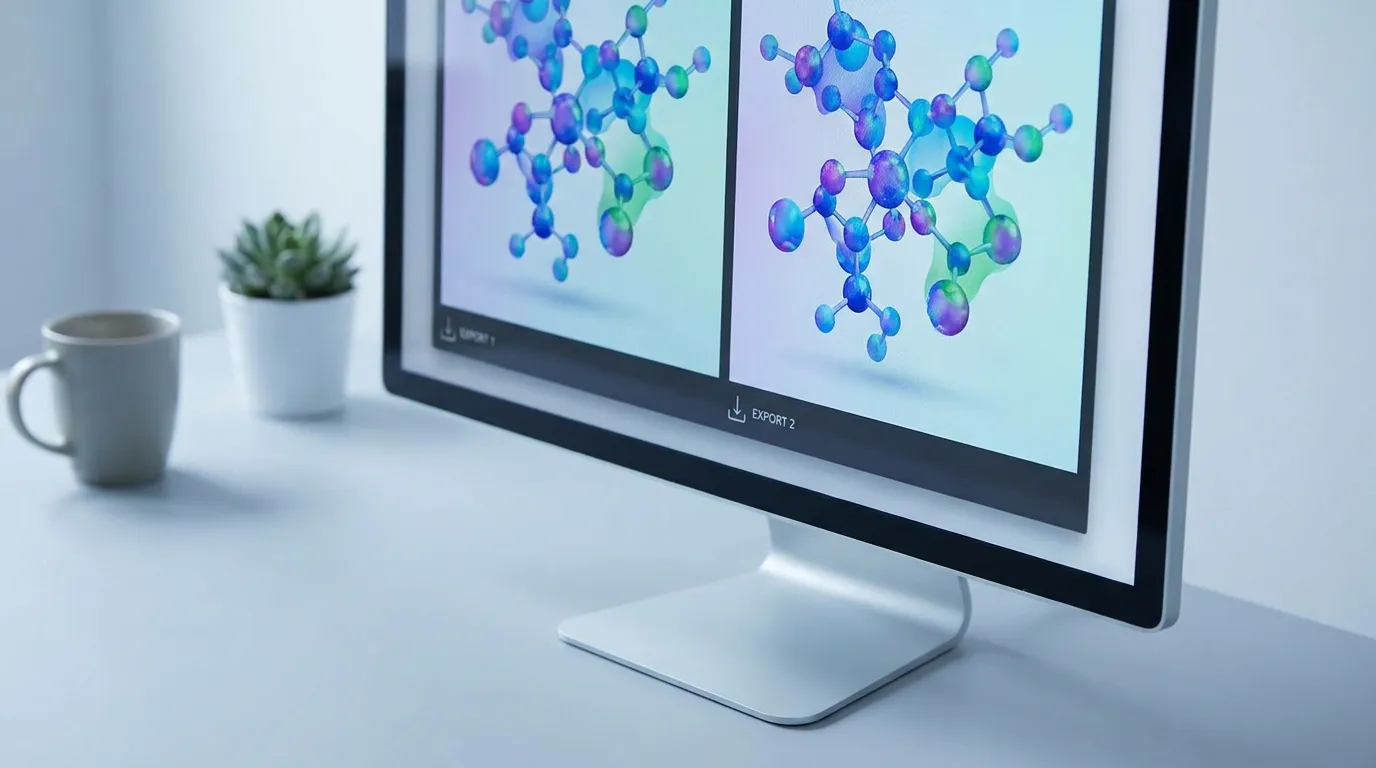
When all zones are filled, export at your journal's exact specifications. Nature: 180×120 mm, 300 DPI, TIF. Cell: 170×110 mm, 300 DPI, TIF. Elsevier: 150×100 mm, 300 DPI, TIF.
New accounts include free starter credits to try Graphab. Editing and saving your design are free; generating each figure uses credits based on resolution.
The bottleneck in graphical abstract creation has never been the ideas — researchers know their story. The bottleneck is execution: drawing diagrams, formatting panels, setting dimensions, adjusting typography.
The sketch-to-layout path eliminates the blank-canvas problem. You start with your thinking already on the page, expressed in the fastest medium available — pen and paper. The AI handles the translation to digital structure. Then you describe what goes in each zone, and the AI generates it.
The entire process — sketch to publication-ready export — can take under 30 minutes for a layout you already have in mind.
Paste your paper abstract and Graphab drafts a publication-ready figure, sized for your target journal.